
Per BANCOMAT, sostenibilità significa integrare responsabilità, innovazione e attenzione all'ambiente e alle persone nelle scelte che guidano la nostra crescita.Come infrastruttura al servizio del sistema dei pagamenti italiano, sappiamo che il nostro impatto va oltre la tecnologia: riguarda le persone che lavorano con noi, le comunità in cui operiamo, il modo in cui utilizziamo le risorse e la fiducia di tutti gli attori del nostro ecosistema.
Per questo abbiamo avviato un percorso strutturato seguendo un approccio strategico che metta la sostenibilità al centro della nostra evoluzione, traducendo gli impegni in obiettivi, azioni e risultati misurabili.
Trust is at the heart of our role in the payments system. This is why we integrate ethics, transparency and accountability into our processes and governance through dedicated safeguards for compliance, cybersecurity and data protection.
In 2025, 100% of our employees received training on the Organisation, Management and Control Model pursuant to Legislative Decree 231/2001 and on whistleblowing, and no reports were received through the whistleblowing system.
This commitment is also reflected in the continuous strengthening of our governance tools and in fostering a corporate culture based on integrity and responsibility.


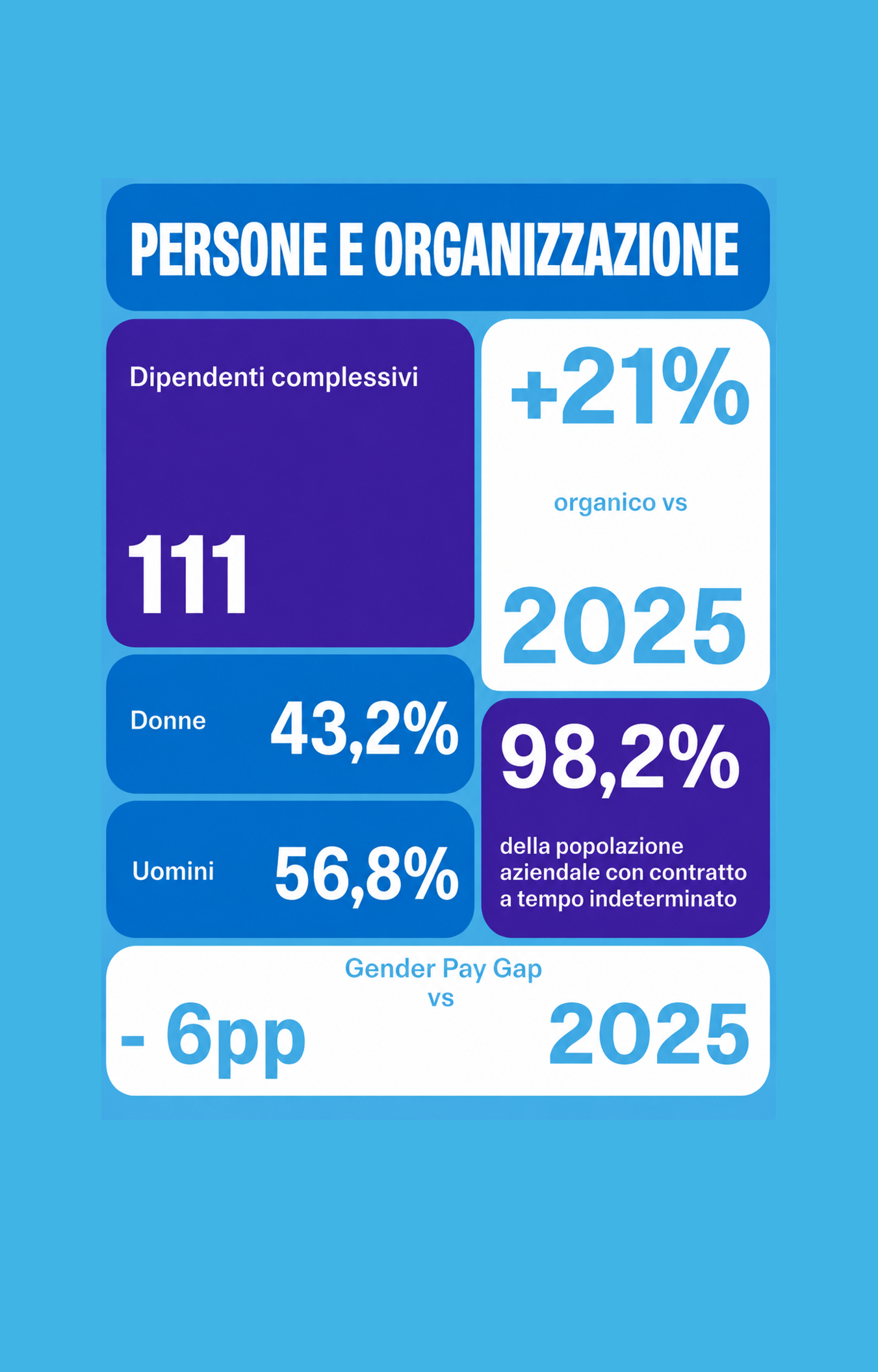
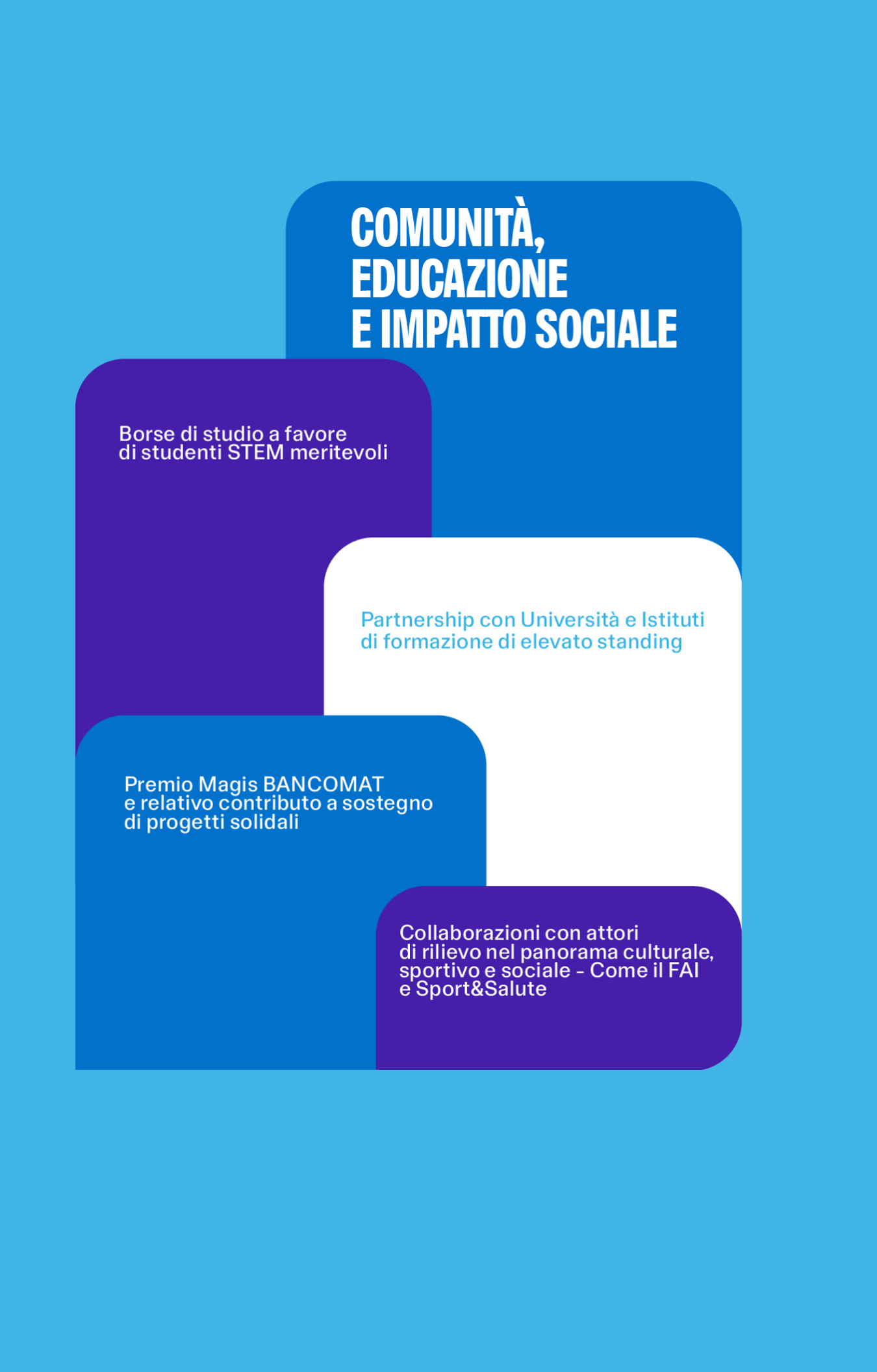
We promote the well-being of our people through welfare tools and initiatives designed to support a better work-life balance. Flexible remote working, healthcare coverage for families, scholarships for employees’ children and welfare services support our people throughout the different stages of their lives.
This approach also includes B-Parent, BANCOMAT’s programme dedicated to parenthood, which provides parental leave, flexibility, paid leave and a childbirth bonus.
The programme is designed to promote a more equitable sharing of family responsibilities and help build an increasingly inclusive corporate culture that is attentive to the needs of families.
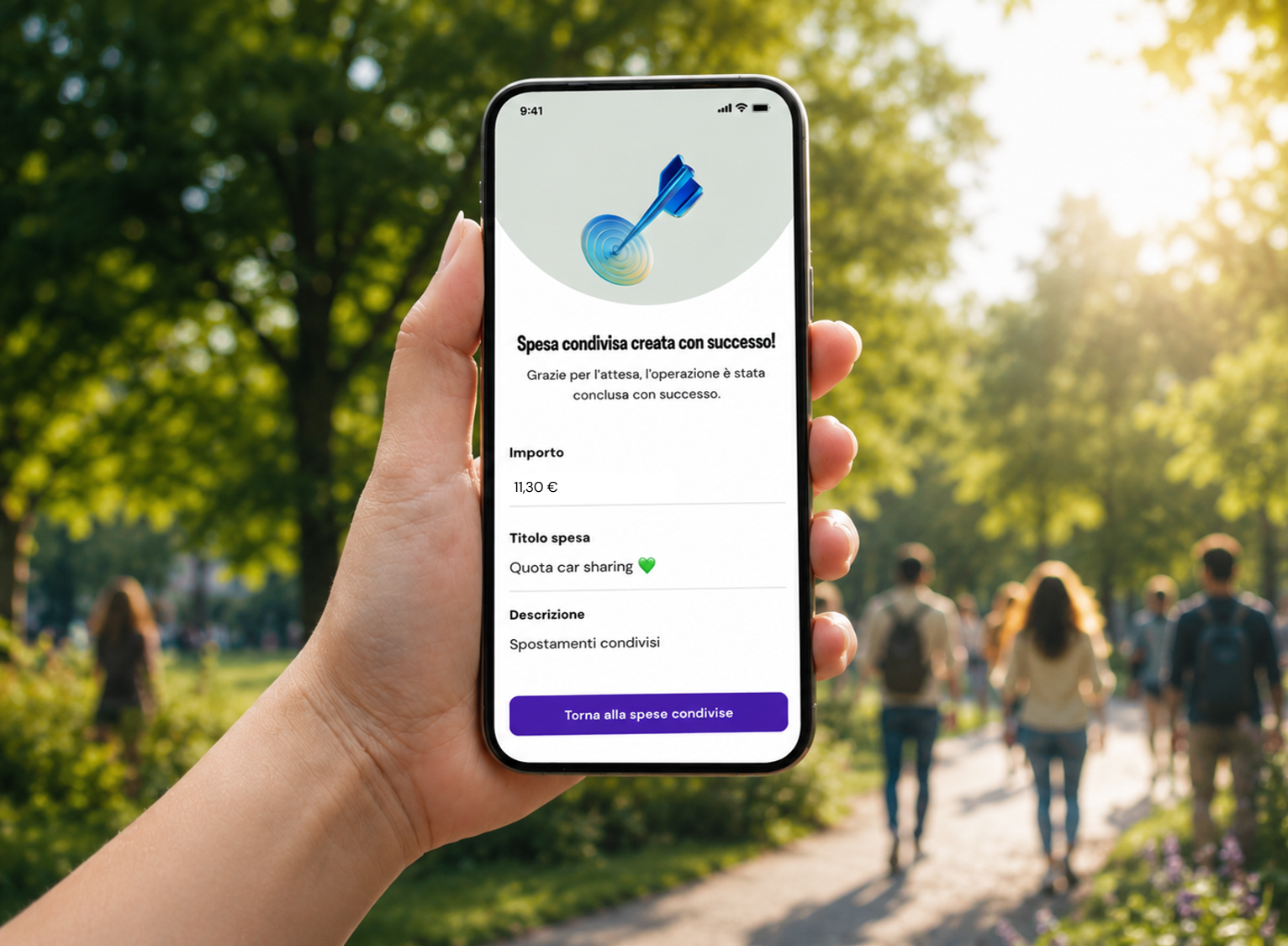
The digitalisation of payments is an integral part of our innovation and sustainability journey. Making payment services increasingly efficient, simple and accessible means contributing to an ecosystem capable of creating value for people, businesses and the financial system.
The progressive adoption of digital payments can help reduce activities associated with the physical management of cash, from transportation to handling, with benefits in terms of resource use and the related consumption.
At the same time, we believe that simple and secure digital services can help make financial services more accessible.

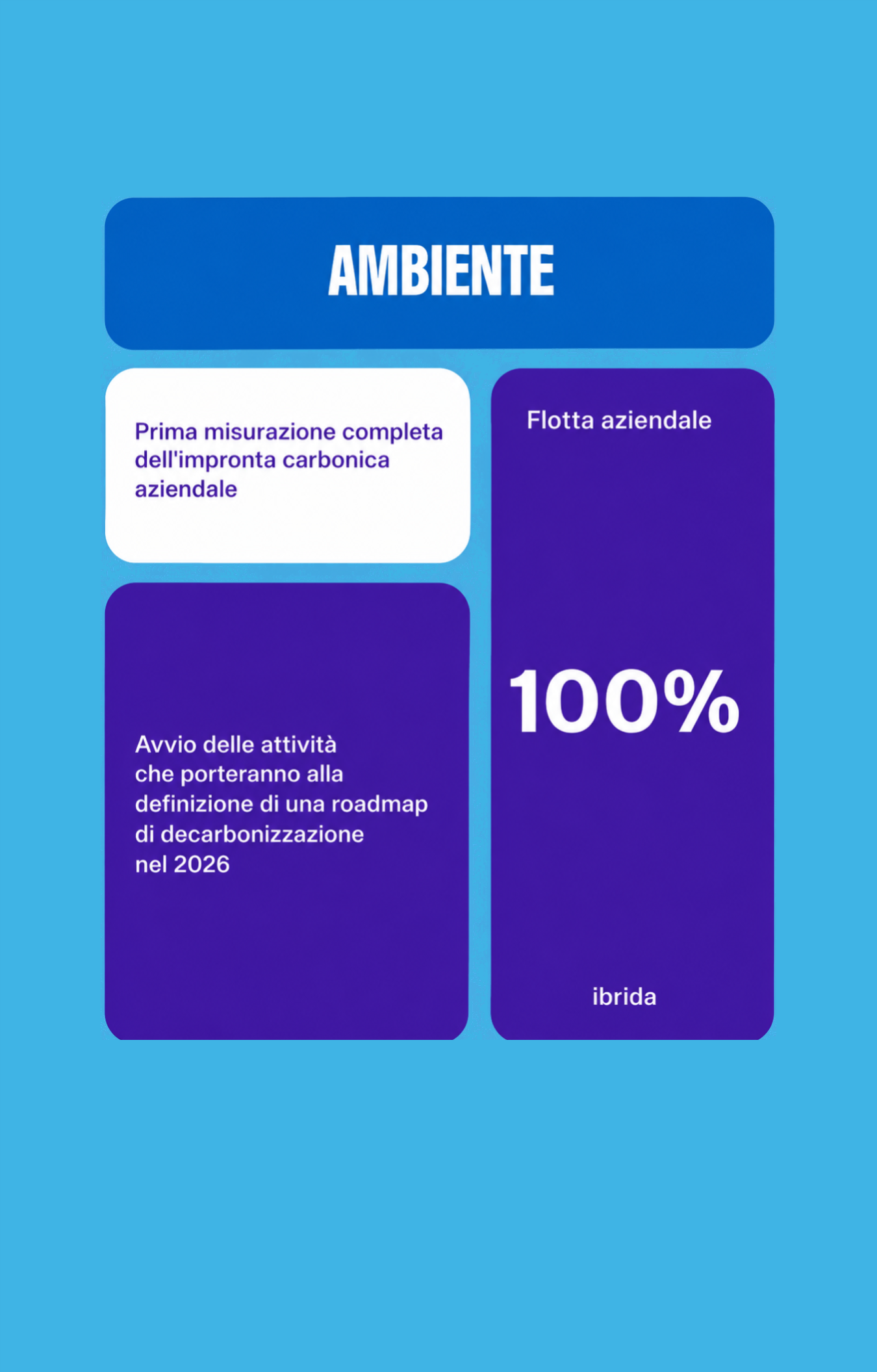
We produced our first sustainability report in line with the European Sustainability Reporting Standards (ESRS), completed the first measurement of our carbon footprint and more clearly defined the areas on which to focus our commitment.
We will continue working to turn this awareness into increasingly concrete goals and actions: from defining our decarbonisation roadmap to strengthening initiatives dedicated to people and communities, and increasingly integrating sustainability criteria into our decisions and throughout our value chain.
documents & support
Contact usPrivacy PolicyContest RulesEthics, Compliance and TransparencyTerms and conditionsStay tuned


BANCOMAT S.p.A.
Registered Office: Piazzale Luigi Sturzo 15, 00144, Roma
Offices in Milan: Piazza Vetra, 17, 20123, Milano
Tax code 04949971008 - Partita IVA 09591661005
Iscrizione al Registro delle imprese di Roma
REA n. 1210597
Share capital € 36.917.523,00 i.v.
The security of BANCOMAT Cards haas been tested by the Polytechnic University of Turin. Download technical report

Patent registered by BANCOMAT at national level

